Monitor
Every probe at its last known position, with the readings it last sent. Pick a probe for its history, or replay a period. Values are shown as the probes sent them, and every time is UTC.
Loading the probes' data…
Journal
The project's milestones, newest first. Every date is UTC.
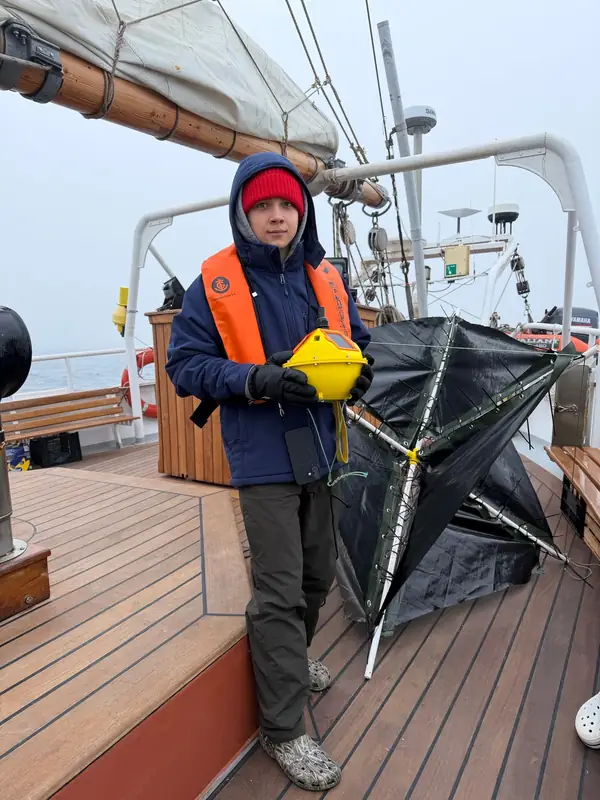
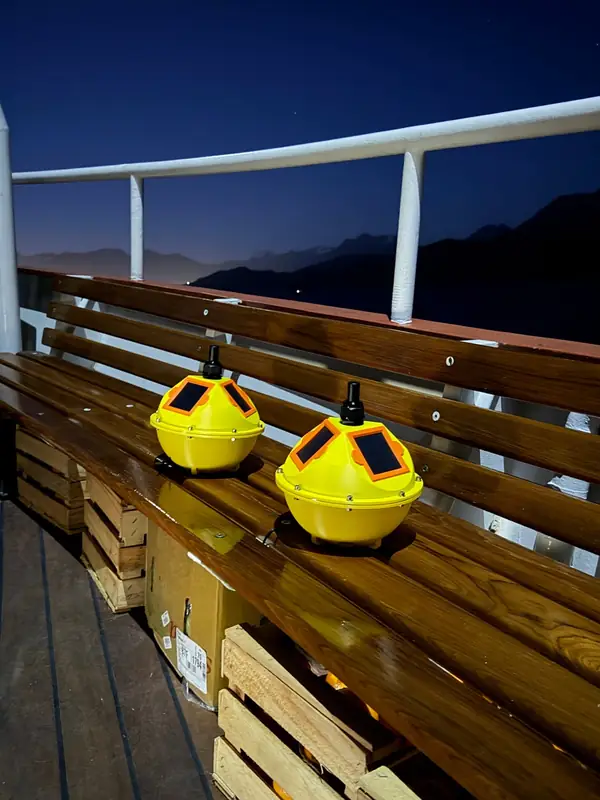
SEA-1 is ready for the sea
SEA-1 is ready to go into the sea, with its drogue, the underwater sail it will tow, assembled beside it on deck.

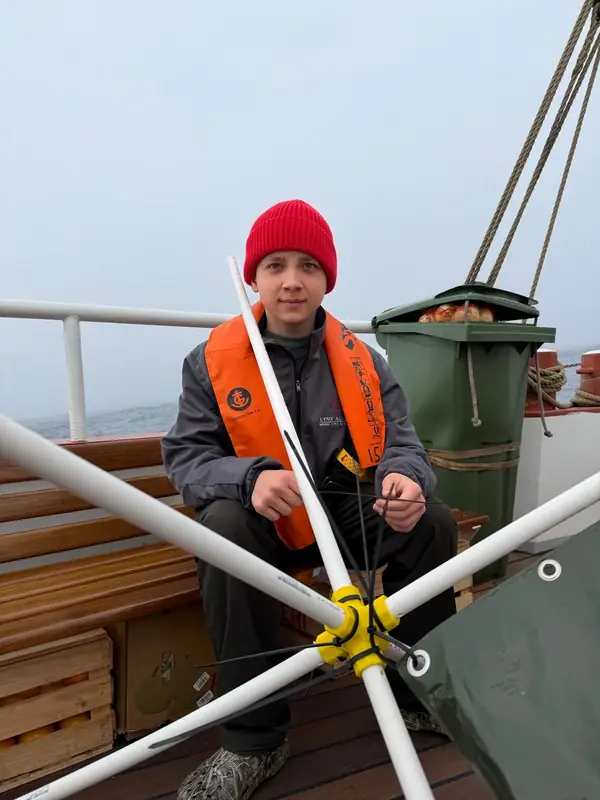
The drogue is assembled at sea
Aboard the schooner, Timur assembles SEA-1's drogue, an underwater sail that will help the buoy follow the ocean current rather than the wind.
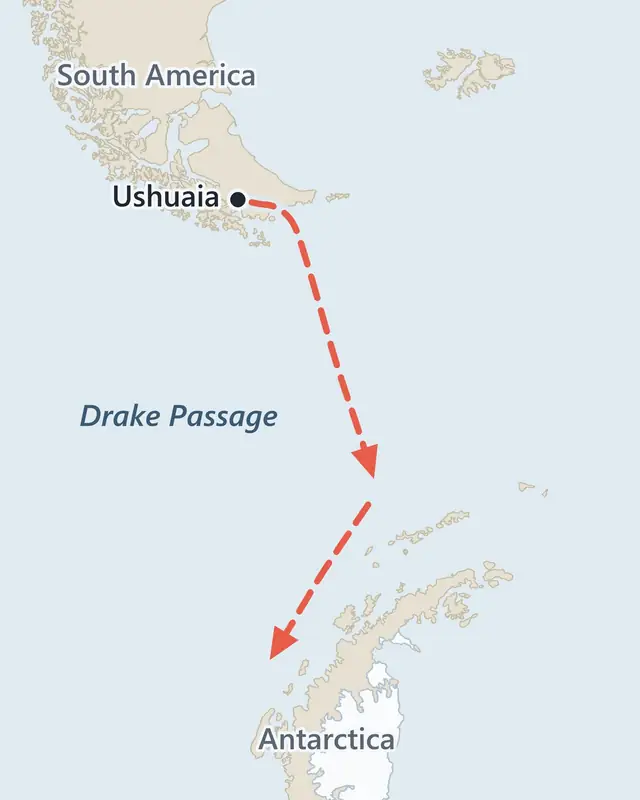
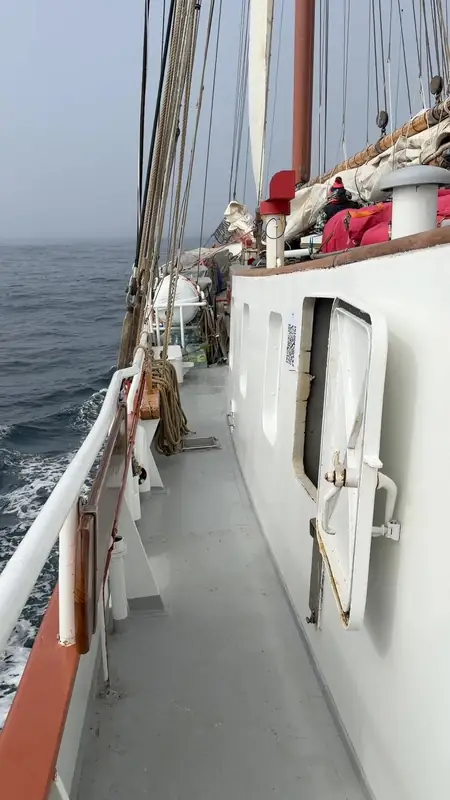
Across the Drake Passage in a calm sea
The schooner sails through the Drake Passage in a relatively calm sea, and the weather gives the expedition a kind welcome.

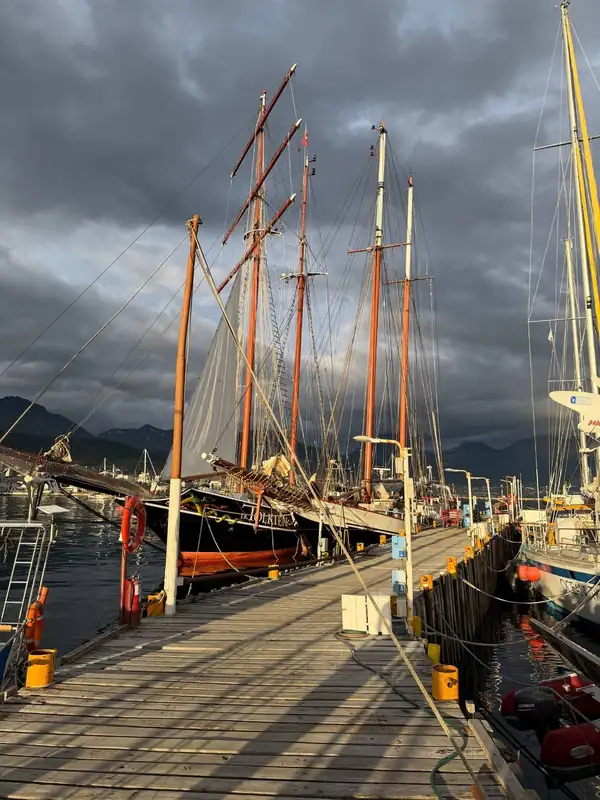
The schooner sets sail
At 20:00 local time the schooner sets sail from Ushuaia, and at about 23:00 the two buoys, SEA-1 and SEA-2, are secured on her deck.
The buoys go aboard and transmit
The buoys are carried aboard the ship, and at 13:00 local time they send their first messages from it.
Earlier entries
Tested under strict supervision
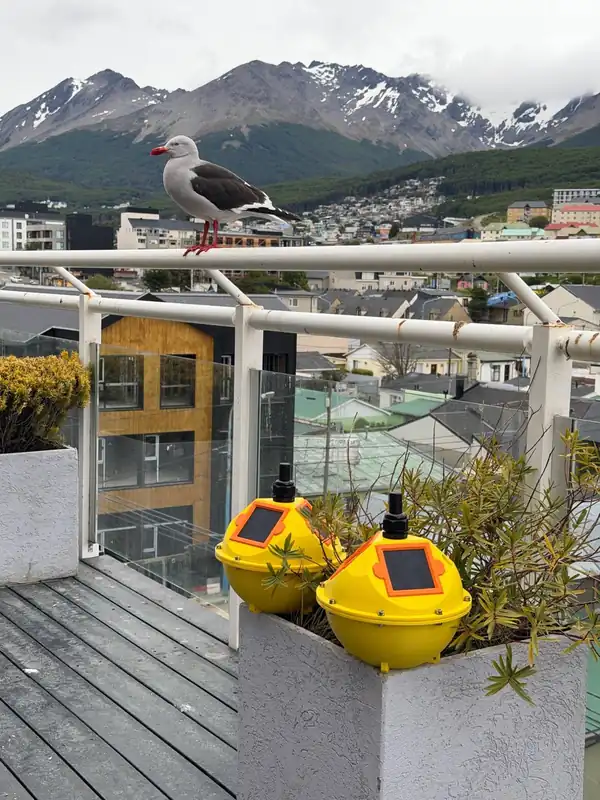
In the morning both buoys are sealed and tested on the hotel's roof deck, which by luck was open. A local gull took up its post on the rail beside them, inspected the whole procedure and raised no objections.
The buoys arrive in Ushuaia
The buoys reach Ushuaia and are laid out, ready to be assembled.

Packed for Ushuaia
The two buoys, SEA-1 and SEA-2, are packed and ready for the journey to Ushuaia, Argentina.
One buoy with a drogue, one without
Only SEA-1 will tow the drogue, an underwater sail that keeps it drifting mostly with the water; SEA-2 will have none, so the wind will push it too. The two will be released together, and the gap that opens between them will show how much of a buoy's drift is the ocean and how much the wind.
Two nights on flight settings
Both drifter boards deliver every hourly reading through two nights, on the schedule they will keep at sea.
A buoy on the scales
The test buoy is weighed part by part with everything inside. It is lighter than the model, so it will float higher.
The plan is refocused
The land stations are cancelled. The season is two drifting buoys, SEA-1 and SEA-2, and one probe aboard the ship, VESSEL.
A third drogue design
A cross of pipes with tarp panels, copied from professional drifting buoys and scaled to this one. Its hub is drawn to be printed, eyes for its lines are added to the buoy's lower half, and the materials are bought.
The Monitor goes live
The map and charts that will follow the probes go online, on demonstration data until the probes are switched on.
The first night outdoors
Three boards run through a night on the patio on a fast rehearsal schedule, and wake every time they should.

Sunlight on a probe
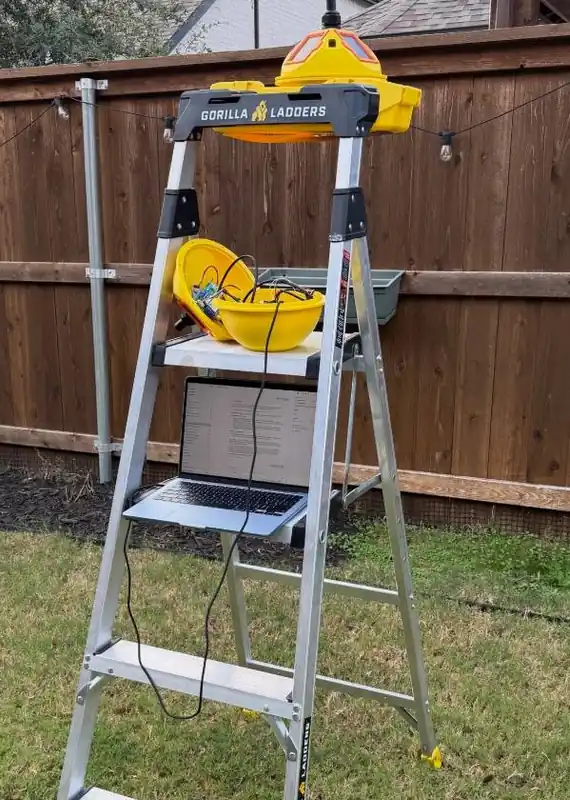
The panels charge a board in the sun, and two boards each send their readings from the yard through their own satellite modem.
The chargers pass the cold test
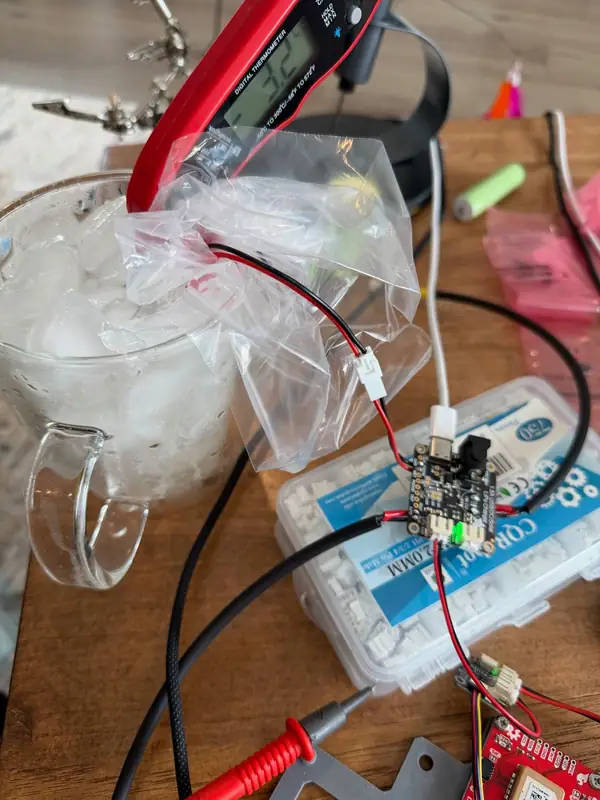
Each battery charger stops when the cells are too cold to charge safely, and starts again as they warm.
A faculty mentor joins
A science teacher at the school agrees to mentor the project.
A drogue to build at home
One drogue design gets a step-by-step guide: a tube of tarp on hoops, made from hardware-store parts.
The first message by satellite
A probe board sends its readings through the Iridium satellites, and they arrive in the cloud, decoded.

The drogue question
A drifting buoy needs an underwater sail, a drogue, so that it moves with the current and not the wind. Three designs are studied, and a ready-made drift sock is bought to test.
The first board comes to life
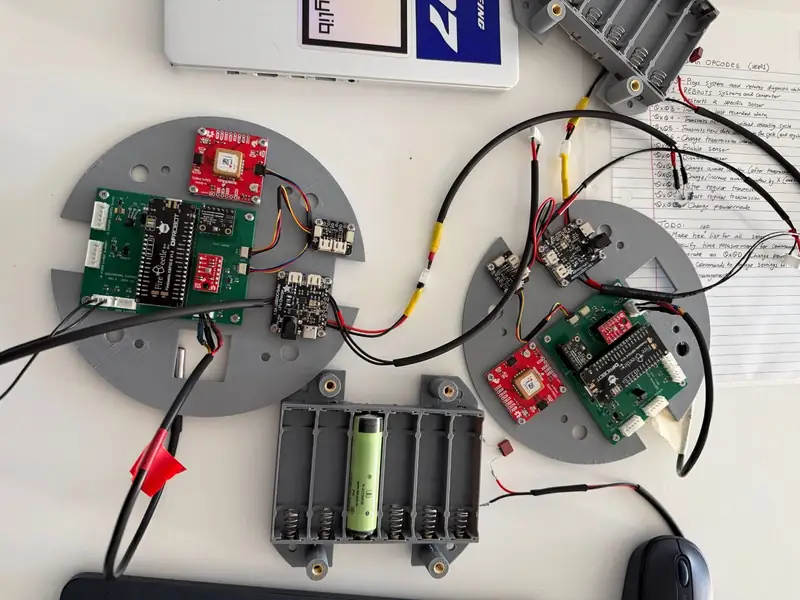
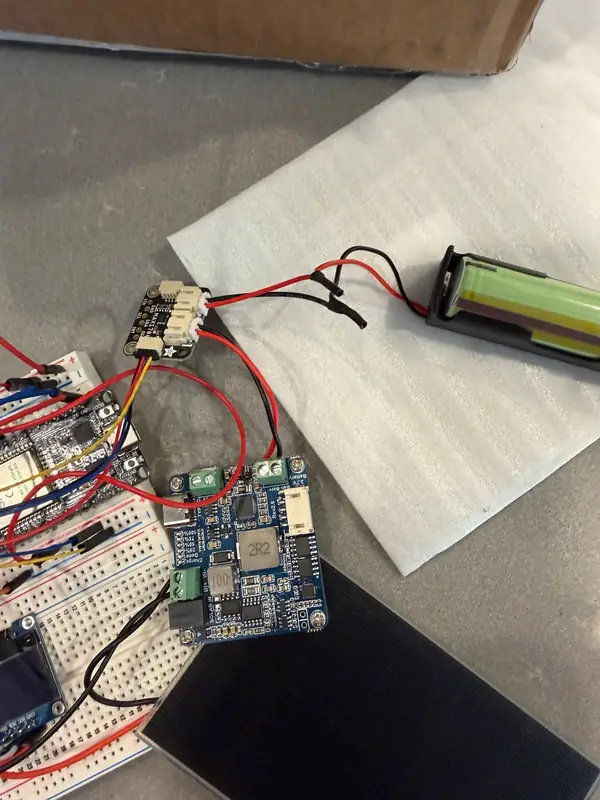
Board 1 gets its parts and boots from its own battery.

The circuit boards arrive
The boards come back from the factory, ready for the parts soldered by hand.
The circuit board is ordered
The board that carries every part of the probe is designed, reviewed and sent to the factory.
The receiver goes live
A service in the cloud is ready to receive the probes' satellite messages and store them.
SouthPing gets its name, and southping.org goes live
The project's site opens, in English and in Russian.
The buoy design is approved
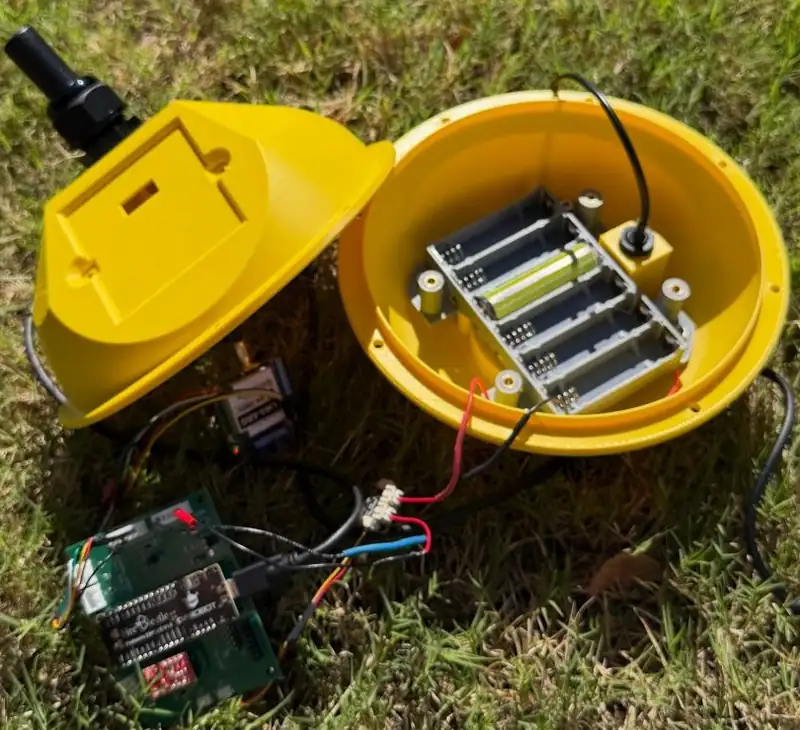
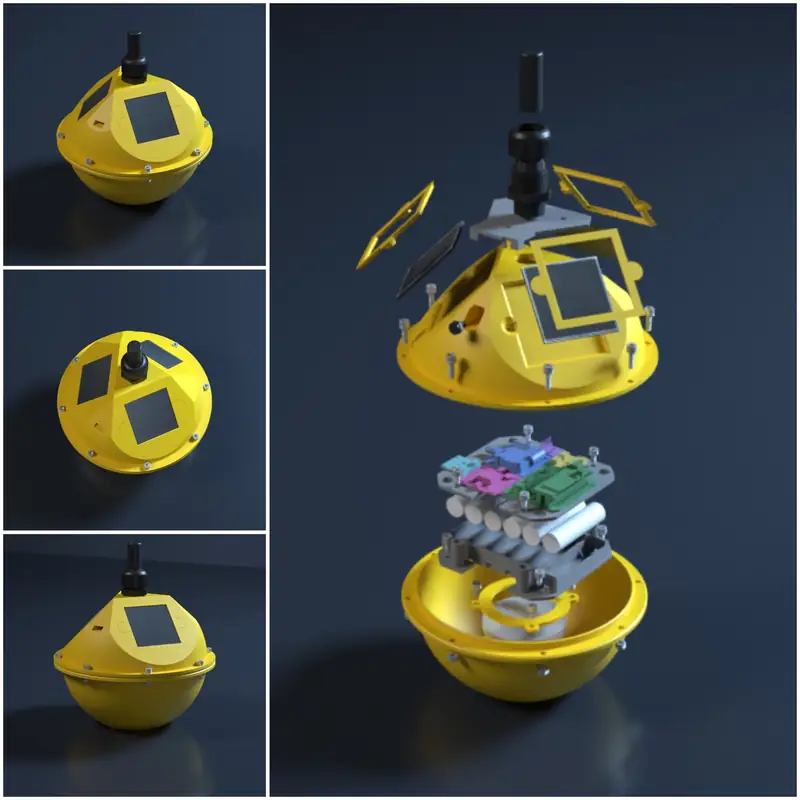
A sphere printed in two halves, with solar panels set into its top.

The expedition confirms its dates
The expedition is set for 15–28 November. The ship leaves Ushuaia on 15 November, and the buoys can be released on the way south.

The mission is set
Air pressure and sea temperature across the Drake Passage, checked against the ship's own barometer.
The first solar test
A small solar panel charges a battery on the bench, its current measured as it runs.
The first firmware runs
A bench board wakes up, reads its sensors and stores the readings to send later.
The project begins
A weather station that reports by satellite is designed on paper.